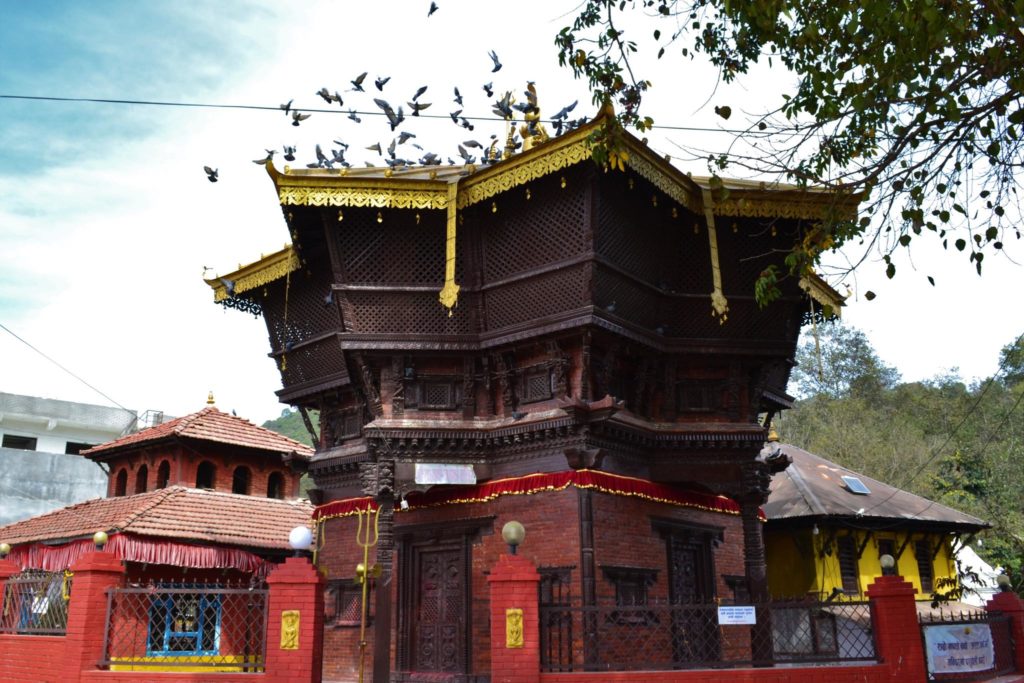
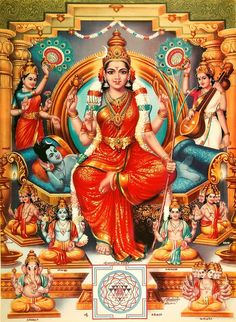
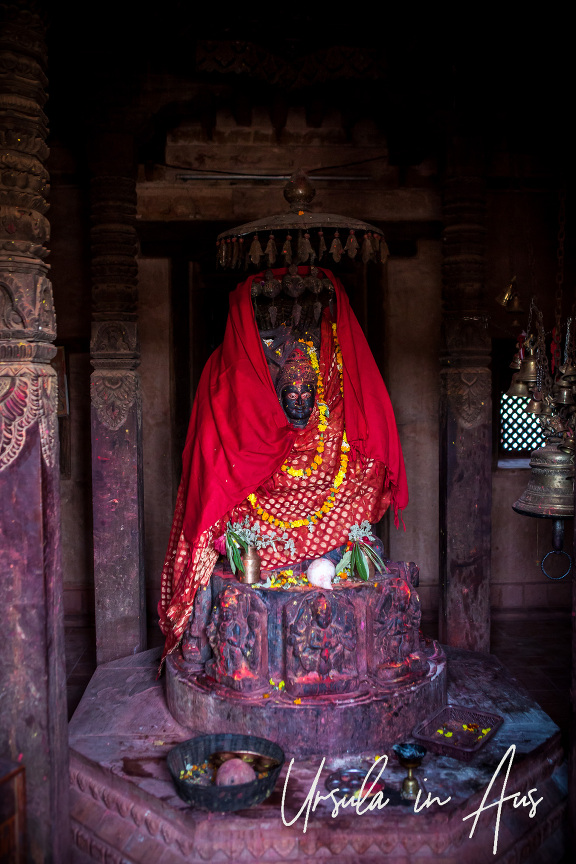
Shree Swasthani is a Hindu goddess (Parameshwari-greatest/superior among all the gods and goddesses ) whose powers and blessings are magnificence. Goddess Swasthani is responsible for all the good fortune of king Navaraj and queen Chandravati of Lawanya Kingdom – one of the kingdom before unification of Nepal.
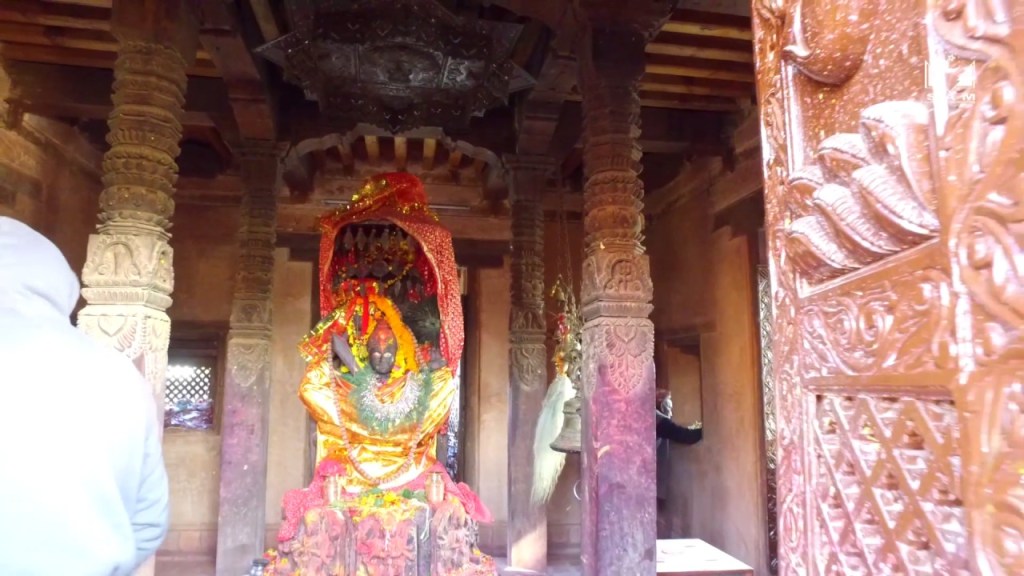
Goddess Shree Swasthani, Sakhu, Nepal
The original Newa version of Swasthani is very different than written in Nepali language. People in the town of Sakhu have handwritten documents of Swasthani in Newar language.
Swasthani Brata Katha is a Hindu tale recited everyday for a month, which mostly falls in the month of January and February. The book has 31 chapters which says the story of life of various gods and goddesses including the creation of living beings. However, the story of goddess Swasthani and Shiva is mainly focused, Swasthani is the Hindu deity known for miraculously granting wishes made in a solemn state by the pure. The sacred book was originated in Ancient civilizations of Nepal. The Brahmins were the first to have read this. Mostly Nepali Hindus read this sacred book in comparison with those from India. This book’s story was derived from Skanda Purana.
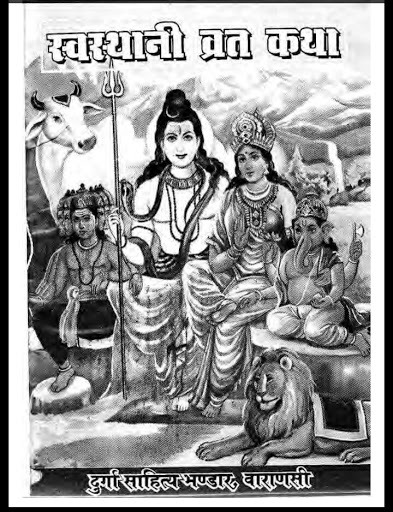
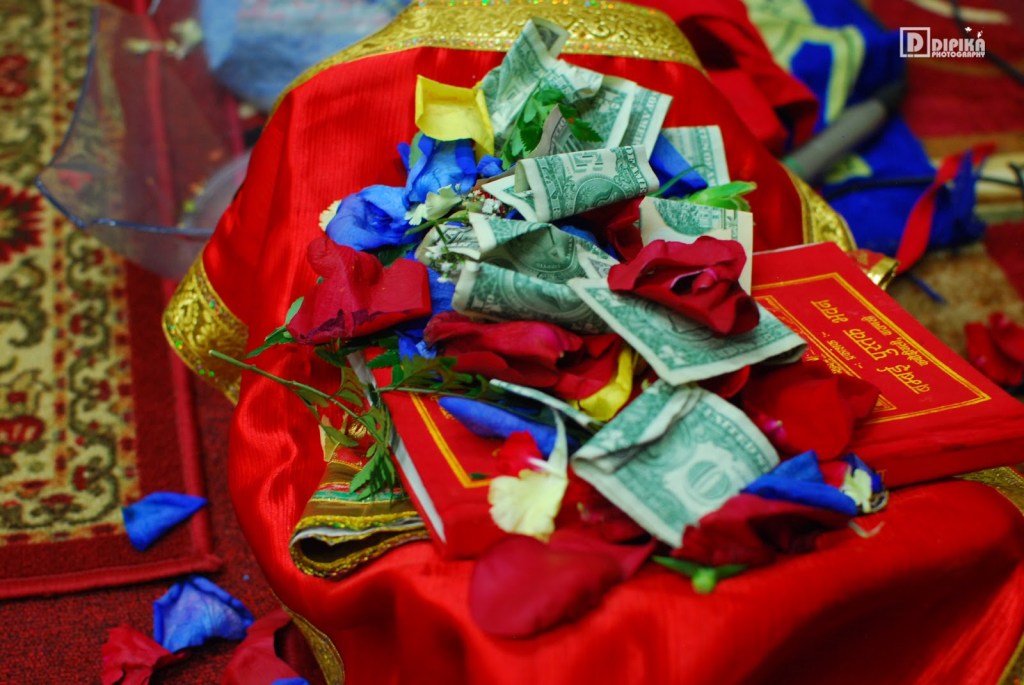
A holy sacred book – Shree Swasthani Brata katha
The festival usually begins from the full moon day in the Pohela month of Nepal Era which is Poush month of Bikram Sambat, normally from January to February, and will end on the next full moon day. Every night family members gather around, recite one chapter of the story each day till the 31st day in almost every Nepali family. This month-long festival is marked by fasting especially by women including few men the entire month for the sake of family welfare or getting a good husband or wife. The festival conclude with an Ashwamegha Yagya, devotees worship god Shiva for whole night.
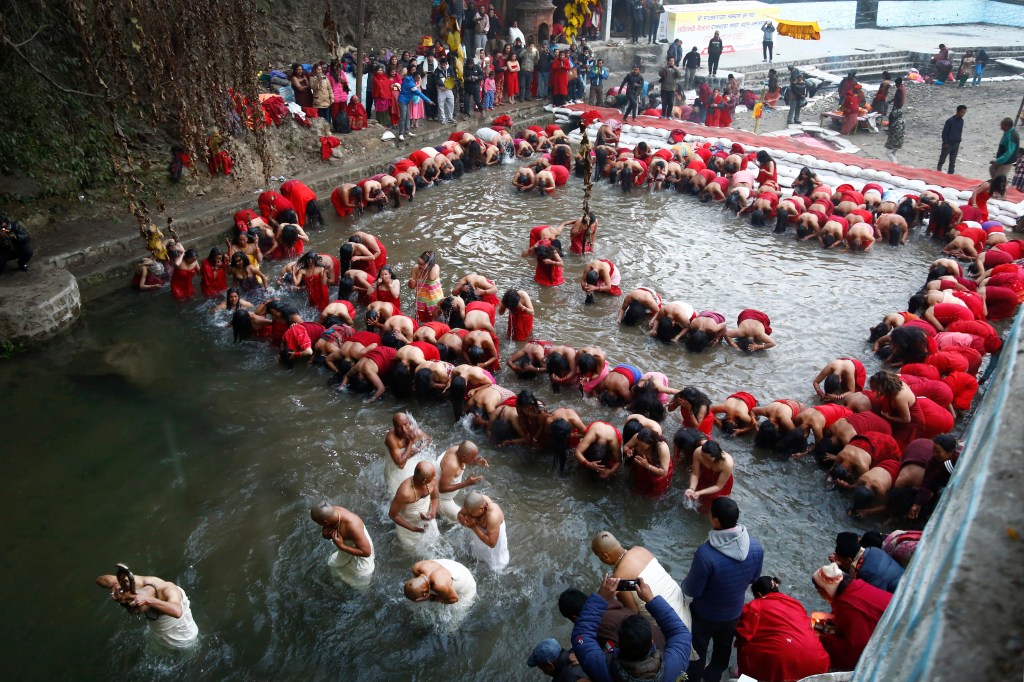
POST PHOTO/PRAKASH CHANDRA TIMILSENA
When the festival concludes next month, various types of food are prepared to mark the end of the day and it is believed that every thing has to be 108 pieces even the flowers. Of the 108 pieces, eight are to be given to the husbands, if there is no husband then to son, and if no son then to the son of a friend, and if no friend then the fasting lady has to formally release it on the nearby river.
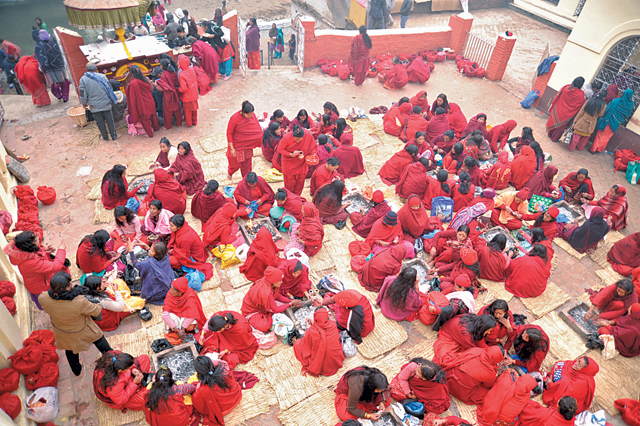
Devotees staying 30 days long fast of Goddess Shree Swasthani
The festival is in fact not a festival. It is a ritual of fasting for 30 days. It is called ‘apsan chonegu’ in the local Newa language and ‘brata’ in Nepali. Fasting is voluntary for those interested undertake this month-long brata. Traditionally, the locals of Swaniga – Kathmandu Valley – observed this brata. Swaniga refers to the local villages, towns and cities like Sakwo(Sankhu), Khwopa (Bhaktapur), Yala, (Patan),Yen (Kathmandu), Bhondesh -Bhotan (Banepa), Palanti (Panauti), Phampi (Pharpin), and other Newar localities. Especially people from certain castes of Newars took this brata. In the present day context, the devotees are not limited to Newar community only.
There are devotees from all over the country and all the Hindu castes. The devotees from Brahmin and Chhetri communities are increasing year by year. During the Brata, God Madhavnarayan is worshipped. It seems that the brata is a blend of Shaiva and Vaishnav culture. Madhavnarayan is the name of the lord Vishnu in the month Magh since the lord Vishnu is worshipped by different names in each of the 12 different months.
 Aashish's Photography blog